

Introduction: Why Enterprise Cybersecurity Is Non-Negotiable
Let’s be real — cybersecurity is no longer just an IT checklist item. It’s the backbone of modern enterprise survival. In 2026, businesses operate in a hyperconnected digital ecosystem powered by cloud computing, remote work infrastructure, SaaS platforms, and AI-driven automation. That connectivity is powerful. But it’s also dangerous.
Every API connection, every remote login, and every third-party integration creates a potential vulnerability. Cybercriminals know this. And they’re not amateurs. We’re dealing with organized ransomware gangs, state-sponsored threat actors, and cybercrime syndicates running like multinational corporations.
The numbers are staggering. Global cybercrime damages are projected to reach trillions of dollars annually. A single enterprise data breach can cost millions in direct financial loss — and even more in lost trust, legal consequences, and regulatory fines.
Enterprise cybersecurity strategy today must go beyond antivirus software. It demands advanced endpoint detection and response (EDR), zero trust security architecture, managed detection services (MDR), and AI-powered threat intelligence.
Businesses that treat cybersecurity as a strategic investment — not just an expense — gain a competitive advantage. They earn customer trust. They satisfy compliance requirements. And most importantly, they build resilience.
If your enterprise relies on digital infrastructure (and let’s face it — every modern business does), cybersecurity isn’t optional. It’s mission-critical.
The Rising Cost of Cybercrime and Data Breaches
Cybercrime isn’t slowing down. It’s accelerating — and getting more expensive. The average cost of a data breach now runs into the millions, especially in high-value sectors like finance, healthcare, SaaS, and e-commerce.
But here’s the catch — the ransom payment is only part of the damage.
When a business suffers a cybersecurity breach, costs pile up quickly:
Incident investigation and forensic analysis
System downtime and lost revenue
Legal fees and regulatory fines
Customer notification expenses
Reputation management and PR damage
Loss of investor confidence
Downtime alone can cripple operations. Imagine a financial services firm unable to process transactions for 48 hours. Or a SaaS provider locked out of its own infrastructure.
Then there’s compliance. Regulations like GDPR, HIPAA, PCI-DSS, and CCPA impose heavy fines for improper data protection. Regulators no longer accept “we didn’t know” as an excuse.
And let’s not forget customer trust. Once sensitive customer data is exposed, rebuilding confidence can take years — if it happens at all.
This is why enterprise cybersecurity solutions are considered high-ROI investments. Spending on advanced threat detection and cloud security tools is significantly cheaper than recovering from a breach.
In 2026, cybersecurity budgeting is not a defensive move. It’s smart financial planning.
High-Value Cybersecurity Assets Businesses Must Protect
Not all digital assets carry equal risk. Enterprises must identify and prioritize their most valuable data and infrastructure.
Here are the high-risk assets that attackers target most:
Customer Personally Identifiable Information (PII)
Financial records and payment data
Intellectual property and proprietary code
Cloud infrastructure credentials
Executive email accounts
Supply chain access points
Hackers go where the money is. For financial institutions, it’s transaction data. For tech startups, it’s source code. For healthcare providers, it’s patient records.
Cloud infrastructure credentials are especially valuable. A single exposed API key can grant attackers access to entire environments.
Supply chain attacks have also surged. Instead of attacking a well-defended enterprise directly, cybercriminals compromise smaller vendors to gain indirect access.
To protect critical assets, enterprises must implement:
Role-based access controls (RBAC)
Privileged access management (PAM)
Data encryption at rest and in transit
Continuous security monitoring
Strict third-party risk assessments
Think of cybersecurity like a vault. You don’t leave the door wide open and hope no one walks in. You layer protection — locks, alarms, surveillance, and guards.
The same layered approach applies to digital assets.
Advanced Threat Landscape in 2026
Cyber threats are no longer simple viruses spreading randomly. They’re strategic, targeted, and financially motivated.
Let’s explore the most pressing threats facing enterprises today.
Ransomware Attacks and Double Extortion
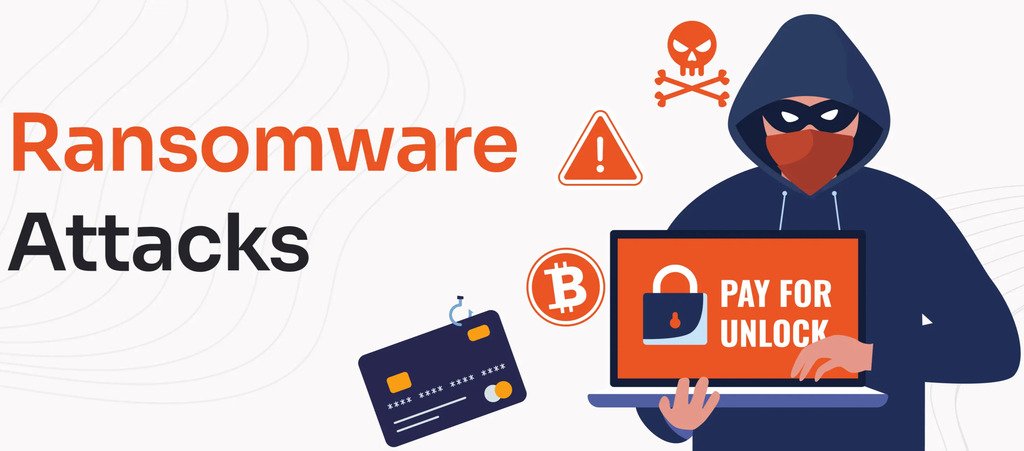
Ransomware continues to dominate the threat landscape. But modern attacks go beyond simple encryption.
Today’s attackers use a tactic called double extortion. First, they encrypt your files. Then they steal sensitive data. If you refuse to pay, they threaten to leak it publicly.
Some groups even escalate to triple extortion — targeting customers and business partners to increase pressure.
Industries most affected include:
Healthcare organizations
Financial institutions
Government agencies
SaaS companies
Manufacturing enterprises
The rise of Ransomware-as-a-Service (RaaS) has made attacks more frequent. Cybercriminal developers create ransomware kits and lease them to affiliates, splitting profits.
Protection strategies include:
Regular offline backups
Endpoint detection and response tools
Network segmentation
Employee phishing training
Zero trust network architecture
Ransomware isn’t disappearing. Enterprises must assume they are targets — because they are.
Cloud Security Breaches
Cloud computing has transformed business operations. But cloud misconfigurations remain one of the leading causes of data exposure.
Publicly accessible storage buckets, weak API security, and poor identity management create opportunities for attackers.
Multi-cloud environments increase complexity. Each cloud provider has unique security settings. Without centralized cloud security monitoring, vulnerabilities slip through unnoticed.
Cloud security best practices include:
Cloud workload protection platforms (CWPP)
Cloud security posture management (CSPM)
Identity and access governance
Encryption of sensitive data
Continuous vulnerability scanning
The cloud is powerful — but only if secured properly.
AI-Powered Cyber Attacks
Artificial intelligence is transforming cybersecurity — on both sides.
Cybercriminals now use AI to:
Automate phishing campaigns
Generate convincing deepfake audio
Identify vulnerabilities faster
Evade traditional detection systems
AI-driven malware can adapt in real-time, making static defenses ineffective.
But there’s good news. Enterprises are fighting back with AI-powered cybersecurity platforms that detect anomalies and respond automatically.
In this arms race, automation is critical. Manual monitoring simply cannot keep up.
Zero Trust Security Architecture Explained
Zero Trust is more than a buzzword — it’s a strategic shift.
Traditional security models assumed that users inside the network were trustworthy. Zero Trust assumes the opposite: trust nothing, verify everything.
Core principles include:
Continuous authentication
Least privilege access
Micro-segmentation
Real-time monitoring
Every access request must be validated — regardless of location. Whether an employee logs in from headquarters or remotely, the same scrutiny applies.
Zero Trust significantly reduces lateral movement. If attackers breach one endpoint, they can’t freely navigate the network.
For enterprises operating hybrid and remote environments, Zero Trust isn’t optional. It’s essential.
Endpoint Detection and Response (EDR) Solutions
Endpoints — laptops, servers, mobile devices — are prime targets.
EDR solutions monitor endpoint activity in real time. They detect suspicious behavior, isolate compromised devices, and automate response actions.
Unlike traditional antivirus software, EDR platforms analyze behavioral patterns rather than relying solely on signature-based detection.
Benefits include:
Rapid threat containment
Reduced dwell time
Centralized visibility
Forensic investigation capabilities
In a remote work era, strong endpoint security is non-negotiable.
Managed Detection and Response (MDR) Services
Not every enterprise has a fully staffed Security Operations Center (SOC). That’s where Managed Detection and Response (MDR) services come in.
MDR providers deliver:
24/7 threat monitoring
Incident investigation
Threat hunting
Rapid response support
For many businesses, MDR is a cost-effective alternative to building an in-house cybersecurity team.
Cyber threats don’t operate on a 9-to-5 schedule. Neither should your defenses.
Conclusion
Enterprise cybersecurity in 2026 is about resilience, intelligence, and proactive defense. Threats are evolving, attackers are organized, and digital transformation continues to expand the attack surface.
Businesses must adopt advanced cybersecurity solutions — including zero trust architecture, endpoint detection and response, AI-powered threat intelligence, and strong cloud security frameworks.
The goal isn’t just preventing attacks. It’s minimizing impact, ensuring business continuity, and protecting customer trust.
Cybersecurity isn’t a one-time project. It’s an ongoing strategy.
The enterprises that understand this will lead the digital economy — securely.
FAQs
1. What is the most effective enterprise cybersecurity solution in 2026?
A layered approach combining Zero Trust architecture, EDR, MDR, and AI-driven monitoring provides the strongest defense.
2. How much does a data breach cost a business?
The average enterprise data breach costs millions, including legal fees, downtime, regulatory fines, and reputation damage.
3. Is cybersecurity insurance necessary?
Yes. Cyber insurance helps mitigate financial losses, but insurers require strong security measures before issuing coverage.
4. Why is cloud security important?
Cloud misconfigurations are a leading cause of breaches. Proper cloud security tools protect sensitive data and infrastructure.
5. What is Zero Trust security?
Zero Trust is a security model that requires continuous verification of every user and device before granting access.
Please don’t forget to leave a review.

Pingback: Beyond Firewalls: The Hidden Cybersecurity Risks Most Companies Ignore in 2026 - TECHZ